Instrumentation & I/O Integration
Signal integrity, documentation, and maintainability.
Field instruments are where your data starts. CueBid Automation makes sure sensors, analyzers, meters, and drives are correctly selected, wired, configured, and brought cleanly into your PLC, RTU, and SCADA systems.
Instrumentation & I/O Services
Device Selection & Application Support
-
Assistance matching instruments to process conditions (range, materials, pressure/temperature, approvals).
-
Review of datasheets and compatibility with existing PLC/RTU and SCADA platforms.
-
Recommendations for wiring, enclosures, mounting, and protection in harsh environments.
I/O & Wiring Design
-
I/O list development and mapping to PLC/RTU modules.
-
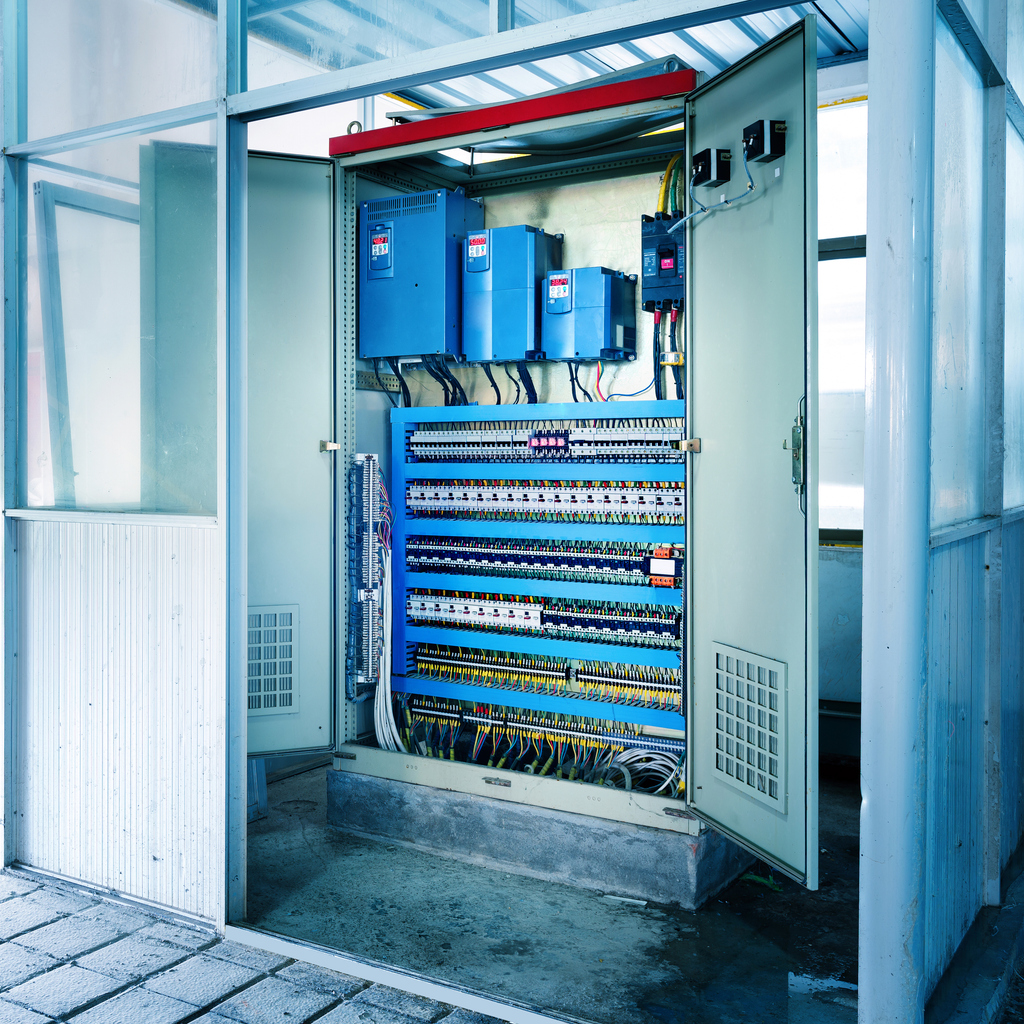
Loop diagrams, termination details, and marshalling panel layouts.
-
Signal type definition: discrete, 4–20 mA, 0–10 V, pulse, frequency, and special signals.
-
Grounding, shielding, and surge protection practices for clean, reliable signals.
Field Integration & Commissioning
-
Installation support and guidance for mounting, impulse lines, and cabling.
-
Point-to-point checkout from instrument terminal to PLC/RTU I/O and SCADA point.
-
Loop checks and range validation (simulated signals and live process where possible).
-
Calibration coordination with client or third-party calibration providers.
-
Scaling and engineering units in PLC logic and SCADA.
Drives, VFDs & Control Elements
-
Integration of VFDs, soft starters, and motor controllers with PLC/RTU and SCADA.
-
Command and feedback mapping (start/stop, speed, status, faults, kW, energy).
-
Valve actuators, dampers, and positioners tied cleanly into control strategies.
Signals, Networks & Protocols
We work with a wide range of signals and industrial communication methods, including:
-
Analog & discrete I/O – 4–20 mA, 0–10 V, dry contacts, NPN/PNP outputs, pulse/frequency.
-
Smart instruments & protocols – HART, Modbus (RTU/TCP), EtherNet/IP, PROFINET, Profibus, and vendor-specific fieldbuses where required.
-
Networked devices – Ethernet-connected instruments, drives, and analyzers brought into the control system with appropriate addressing, naming, and diagnostics.
Our goal is to keep architectures as simple as possible, as sophisticated as necessary.
Typical Devices We Integrate
CueBid Automation is vendor-neutral and works with a broad range of instrumentation, including:
-
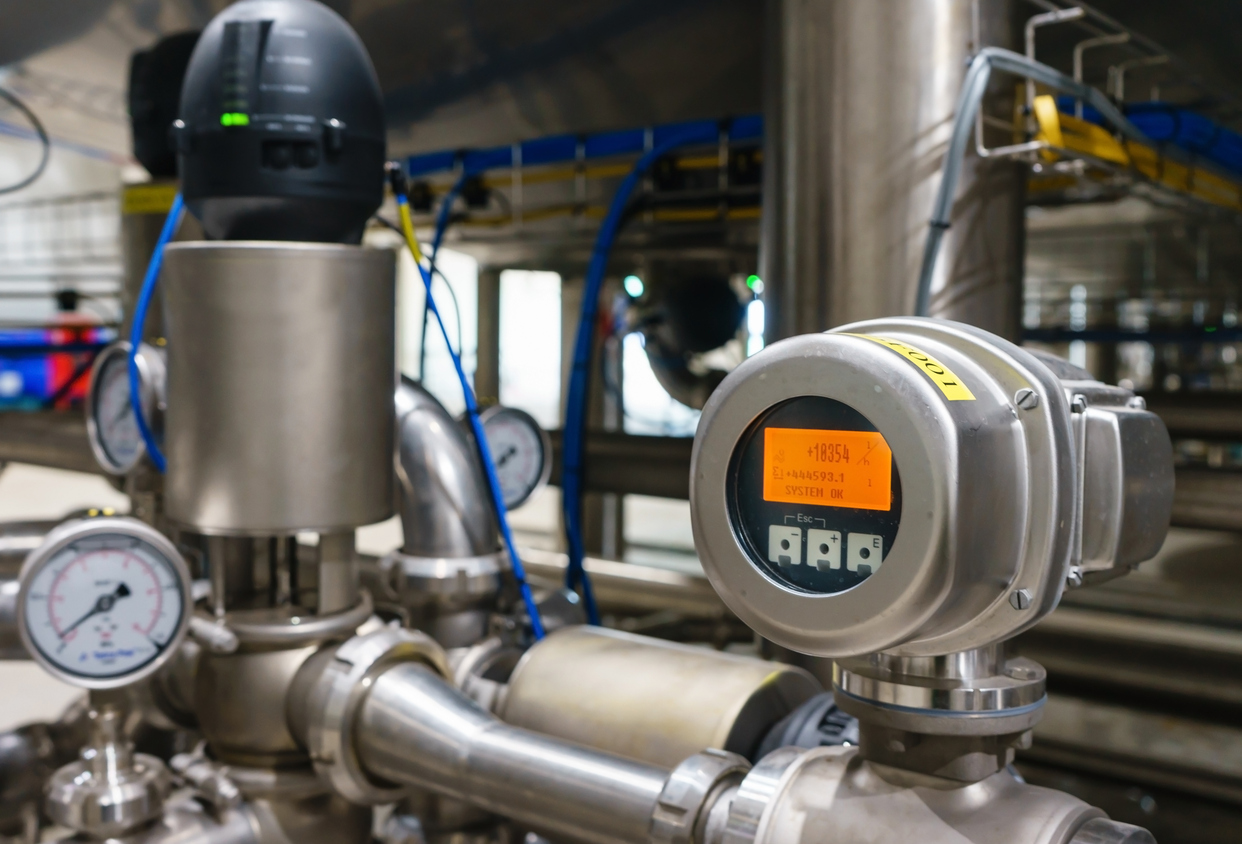
Flow meters (magmeter, ultrasonic, coriolis, turbine, differential pressure)
-
Level transmitters (ultrasonic, radar, DP, guided wave radar, float-based)
-
Pressure and differential pressure transmitters
-
Temperature sensors (RTDs, thermocouples, transmitters)
-
Analytical instruments (pH, ORP, conductivity, turbidity, DO, chlorine, etc.)
-
Positioners and actuated valves
-
VFDs and motor protection relays
-
Power and energy meters
-
Local displays, field junction boxes, and marshalling panels
We align with your preferred vendors (e.g., Endress+Hauser, Rosemount/Emerson, Siemens, Yokogawa, ABB, IFM, Krohne, etc.) or help you standardize over time.
Our Approach



Why CueBid Automation for Instrumentation & I/O?
-
Field-aware designs – We understand both the process side and the control side of instrumentation.
-
Clean integration – Devices, I/O, logic, and SCADA are treated as one system, not separate silos.
-
Reduced noise & nuisance issues – Good grounding, shielding, and wiring standards baked into the design.
-
Lifecycle mindset – Documentation and standards so maintenance teams aren’t left guessing years later.